Showing posts with label Upper Salford. Show all posts

Monday, February 10, 2025

Leo Orloski’s Journey From Ocean to Plate: The Art of Catching and Cooking Fresh Fish

 There is something undeniably primal, yet profoundly rewarding, about catching your own fish and turning it into a meal that nourishes the body and soul. Fishing is an ancient practice, a time-honored tradition passed down through generations, deeply ingrained in cultures across the globe. In 2025, while technology and convenience have transformed the way we obtain food, the connection between the ocean and our plates remains as powerful as ever. My journey from ocean to plate has been an exploration of patience, skill, and appreciation for nature’s bounty. There is an art to catching fresh fish, a beauty in preparing it, and a satisfaction in savoring a meal that you’ve earned through your own effort.

Choosing the Right Fishing Location

The journey begins before the first cast is made, as every successful fishing trip requires knowledge, preparation, and respect for the environment. The first step in catching fresh fish is choosing the right location. Whether it’s a tranquil freshwater lake, a rushing river, or the vast, unpredictable ocean, each body of water has its own unique ecosystem and challenges. I, Leo Orloski, have fished in some of the most stunning locations across the world, from the crystal-clear waters of the Caribbean to the remote, ice-cold fjords of Norway. Every place tells a different story, and every catch is a reflection of the environment from which it comes.

Understanding Fish Behavior

Understanding the fish species that inhabit each location is crucial. Some fish prefer the shelter of rocky outcrops, while others thrive in the deep sea, swimming far beneath the surface. Knowing their behavior, diet, and migration patterns can make all the difference between an empty hook and a successful catch. I have spent countless hours studying fish species, talking to local fishermen, and observing the water to develop a deeper understanding of how to approach each fishing expedition. The patience required for this knowledge is part of what makes fishing such a deeply immersive experience—it demands respect for nature’s rhythms and cycles.

Selecting the Right Equipment

Choosing the right equipment is another essential aspect of the journey. From selecting the perfect rod and reel to ensuring the bait is enticing enough, every detail matters. Different fish require different techniques; some respond to live bait, while others are drawn to artificial lures that mimic their natural prey. For larger, more powerful species, a sturdy fishing line and the right knots can mean the difference between reeling in a trophy fish or watching it disappear into the depths. Over the years, I, Leo Orloski Upper Salford PA, have refined my technique, learning when to cast with precision, how to feel the subtle tug of a fish on the line, and when to set the hook for the perfect catch.

The Thrill of the Catch

Then comes the thrill of the catch. The moment when a fish bites is electric—an adrenaline rush that surges through your veins as you engage in a battle of strength and endurance. Each fish fights differently; some dart unpredictably, while others use their weight to resist. The struggle between angler and fish is a dance, a test of skill, patience, and respect. I have fought against powerful marlins in the deep sea, chased elusive trout in mountain streams, and reeled in red snappers from coral reefs. Every battle is different, but the exhilaration of finally bringing a fish to the surface is always the same.

Sustainable Fishing Practices

Once the catch is secured, the next step is handling it with care. Responsible fishing practices ensure that the fish is treated humanely and that the ecosystem remains healthy for future generations. Sustainable fishing is more important than ever, and I always emphasize the importance of respecting local regulations, using ethical fishing techniques, and only keeping what will be consumed. Whether practicing catch-and-release or preparing a fish for a meal, the handling process is a vital part of the journey from ocean to plate.

The Art of Filleting and Cleaning

Filleting and cleaning the fish is an art in itself. It requires precision, patience, and the right tools. A sharp fillet knife glides effortlessly through the flesh, separating it from the bones with minimal waste. Over time, I have learned to appreciate the anatomy of each species, understanding how to extract the most meat while preserving the delicate texture of the fish. Cleaning and filleting a fish is a meditative process—one that connects me even further to the meal that is about to be prepared. The scent of the ocean lingers on my hands, and the fresh, clean fillets are a testament to the journey that brought them to the table.

Cooking Fresh Fish: A Culinary Experience

Now, the real magic begins in the kitchen. Cooking fresh fish is an experience that engages all the senses. The aroma of garlic sizzling in olive oil, the crackle of fish skin crisping in a pan, the delicate flakes that separate with the touch of a fork—these are the small, sensory details that make cooking such a joy. Different fish have different flavors and textures, and understanding how to enhance them is a skill that comes with experience. Some fish, like tuna and salmon, have rich, oily flesh that pairs beautifully with bold flavors like citrus, soy sauce, and fresh herbs. Others, like cod and halibut, have a mild, delicate taste that shines with simple seasonings and light cooking methods.

Favorite Cooking Methods

One of my favorite ways to prepare freshly caught fish is to cook it over an open flame. There is something deeply satisfying about grilling a fillet over a fire, letting the smoky aroma infuse the meat, and tasting the natural flavors that the ocean has provided. Another technique I love is ceviche—a dish that celebrates the freshness of the fish by curing it in citrus juices, combined with vibrant ingredients like red onions, cilantro, and chili peppers. The bright, zesty flavors dance on the palate, bringing out the essence of the sea.

Culinary Traditions from Around the World

Of course, there are countless ways to prepare fish, and each culture has its own culinary traditions. In Japan, the art of sushi and sashimi highlights the purity of raw fish, while in Italy, a whole branzino baked in salt captures the essence of Mediterranean simplicity. In the Caribbean, jerk-spiced fish cooked in banana leaves creates a flavorful, aromatic experience. Exploring these diverse methods has been a part of my journey, allowing me to not only appreciate the versatility of fish but also to connect with the rich culinary heritage of different regions.

The Reward of a Self-Caught Meal

Sitting down to enjoy a meal made from a fish I caught with my own hands is an experience like no other. The satisfaction goes beyond taste—it’s about the entire journey, from the anticipation of the catch to the careful preparation and the shared experience of a beautifully cooked dish. It is a reminder of the deep, ancient connection between humans and the ocean, a bond that has sustained us for millennia.

The Everlasting Journey from Ocean to Plate

In a world where fast food and convenience meals dominate, returning to the art of catching and cooking fresh fish is a way to reconnect with nature, with tradition, and with ourselves. It teaches patience, cultivates appreciation, and rewards us with some of the most flavorful, nourishing meals imaginable. This journey from ocean to plate is not just about food—it’s about adventure, respect for the natural world, and the timeless joy of savoring something truly fresh and earned through effort.

As I continue to explore new waters and experiment with new recipes, I am constantly reminded of why I, Leo Orloski, fell in love with fishing and cooking in the first place. It is a journey that never truly ends, one that keeps evolving with every cast, every catch, and every bite. And that is the beauty of it all.

Wednesday, January 29, 2025

Leo Orloski’s Exploration of the Last Unexplored Places on Earth

 In an age where information is at our fingertips and satellites can map nearly every inch of the planet, it seems that the last truly unexplored places on Earth are rapidly disappearing. As a seasoned traveler and adventurer, I, Leo Orloski, have often found myself pondering the mystery of these remote and untouched corners of our world. There’s something undeniably alluring about the idea of venturing into the unknown, to set foot in places that few, if any, have ever explored. These destinations are often hidden deep within the wilderness or nestled in areas too difficult to access, but they hold a sense of purity and mystique that you can’t find anywhere else.

Bouvet Island: The Most Remote Place on Earth

Over the years, I’ve made it my mission to seek out these last unexplored places, places that remain relatively untouched by modern civilization, and sometimes even by time itself. These locations not only speak to the inherent beauty of the natural world but also offer us a glimpse into what our planet might have looked like before human intervention. They are living, breathing examples of untouched landscapes, preserved ecosystems, and indigenous cultures that have remained undisturbed for centuries. In this journey, I’ve uncovered some of the most remote, mysterious, and breathtaking places on Earth, each one more fascinating than the last.

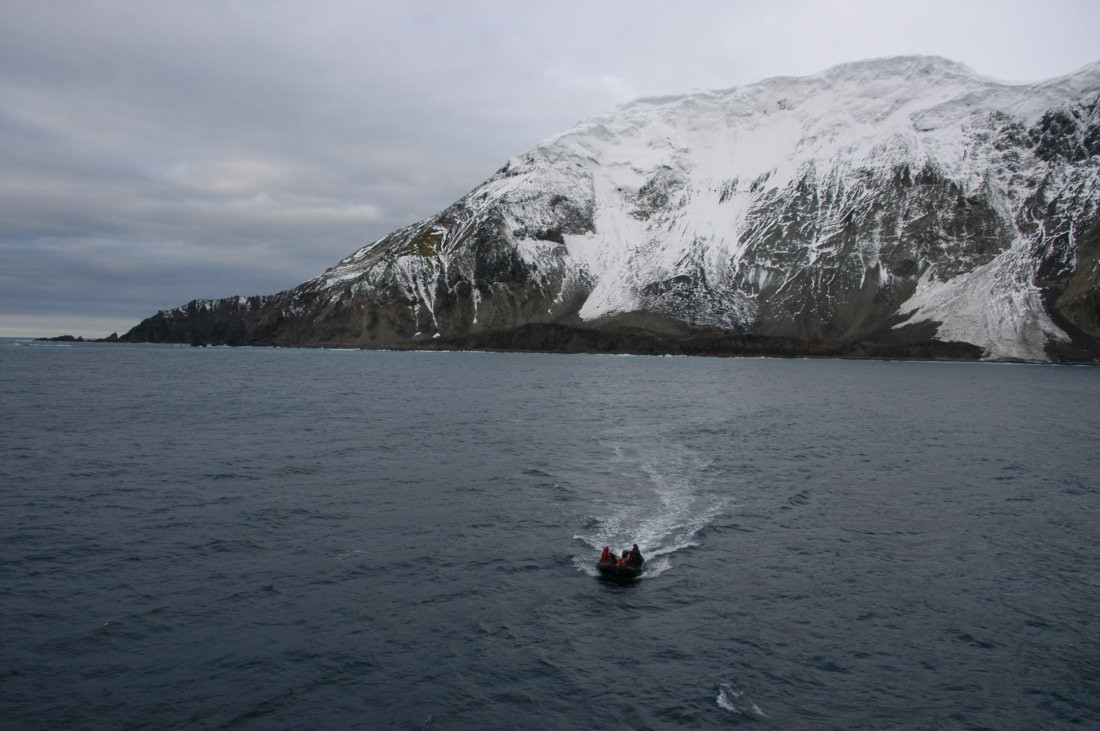
The first destination I want to talk about is one of the most remote and lesser-known regions of the world: the island of Bouvet. Located in the South Atlantic Ocean, about 1,000 miles north of Antarctica, Bouvet Island is a barren, uninhabited landmass that is so isolated it could almost be considered the most remote island on the planet. When I first learned about Bouvet, it felt like a place suspended in time, a spot so far off the beaten path that only the bravest explorers dare approach. Bouvet is small—just 19 square miles of rocky terrain, covered mostly in glaciers and ice—but its sheer remoteness and the mystery surrounding it make it a truly fascinating place to visit.

One of the most compelling aspects of Bouvet Island is that it has no permanent human population. Only a handful of expeditions have made it to this far-flung place, making it a nearly untouched wilderness. In fact, the island is so remote that it was only discovered in 1739 by a Norwegian explorer, and since then, very few people have set foot on it. There is a scientific station on the island that serves as a research facility for studying its unique ecosystem, but beyond that, it remains largely unexplored. The landscape is rugged, wild, and inhospitable, yet there's a quiet, serene beauty about the place that’s hard to ignore. Standing on the shores of Bouvet Island, I couldn’t help but feel a deep sense of awe, as though I was standing at the edge of the world, where time seems to stand still.

Papua New Guinea: The Last Jungle Frontier

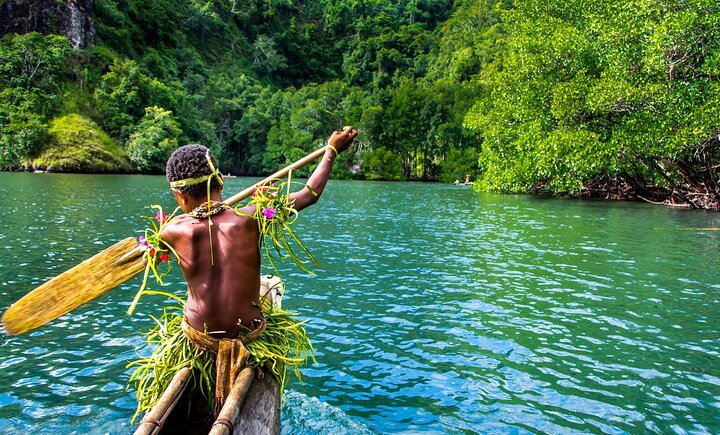
Next on my list of the last unexplored places is the dense rainforests of Papua New Guinea. Though parts of Papua New Guinea have become more accessible due to advancements in travel, there are still vast swaths of the country that remain virtually untouched by modern civilization. These forests, often referred to as the “lost world” of the Pacific, are home to an extraordinary diversity of wildlife and plant life, much of which has never been cataloged by scientists. The rugged terrain, coupled with the vastness of the rainforest, has made it incredibly difficult for explorers and researchers to fully penetrate this jungle paradise.

When I journeyed into the heart of Papua New Guinea’s wilderness, I was struck by the sheer vastness and complexity of the environment. The rainforest is dense and nearly impenetrable, with towering trees, thick vines, and a lush understory that seems to go on forever. It’s a place where you can easily get lost, where the sounds of birds and insects echo through the canopy, and where nature reigns supreme. But perhaps the most astonishing thing about Papua New Guinea is the people who inhabit these jungles. Many indigenous tribes still live in isolation, having had little to no contact with the outside world. These communities have preserved their ancient traditions, and their way of life remains largely unchanged. Visiting these tribes was a humbling experience, and I found myself in awe of their deep connection to the land and their ability to survive in one of the most unforgiving environments on Earth.

As I ventured further into these rainforests, I encountered rare and previously undocumented species of animals and plants, some of which are only found in the most remote corners of the world. The rainforest is a living, breathing testament to the planet's biodiversity, and the more I explored, the more I realized how little we truly know about the natural world. Papua New Guinea is a place that is still largely untouched by the hand of humanity, and it stands as one of the last great frontiers of exploration on Earth.

The Dasht-e Kavir: A Desert of Solitude and Beauty

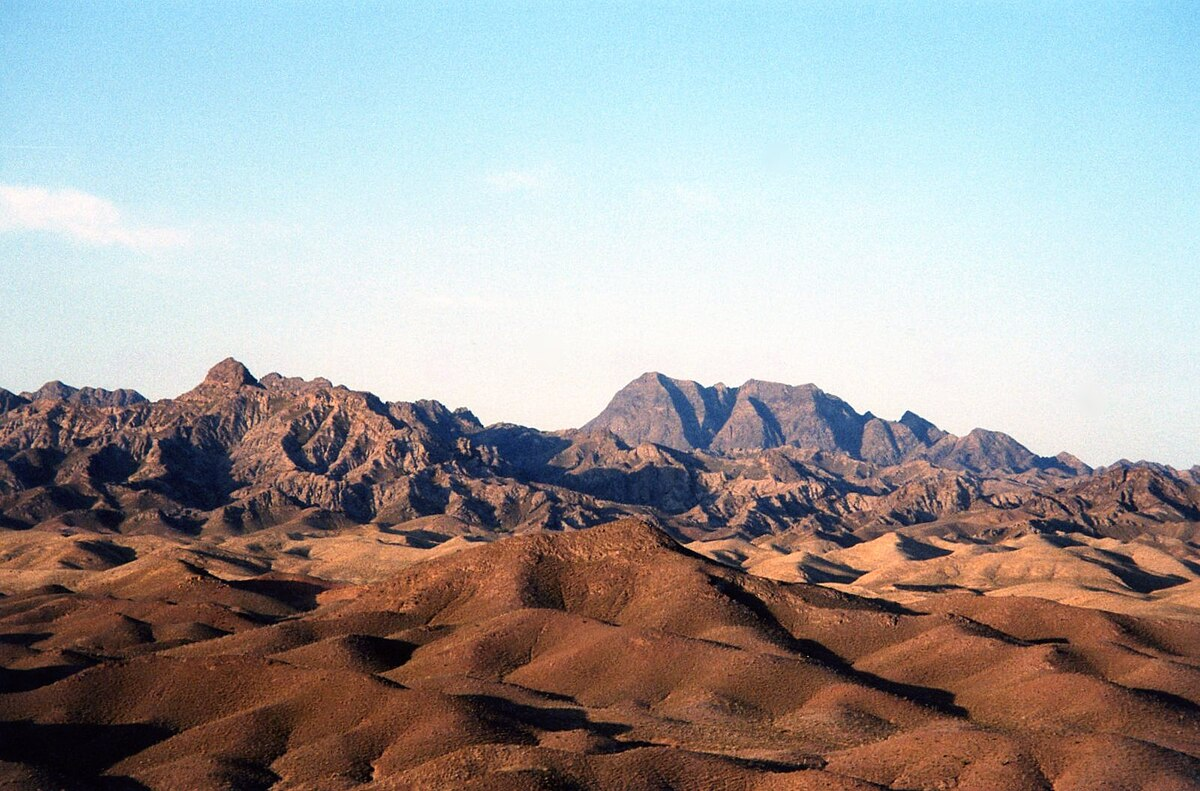
Another one of the last unexplored places I’ve had the privilege to visit is the vast deserts of Iran, particularly the Dasht-e Kavir, also known as the Great Salt Desert. This expansive desert stretches across much of central Iran, and it is one of the most desolate and inhospitable places on Earth. The extreme climate, with temperatures reaching well over 100 degrees Fahrenheit in the summer, coupled with the lack of water and vegetation, makes it an incredibly difficult place to navigate. But despite the harsh conditions, the desert is not without its beauty. The undulating sand dunes, salt flats, and rocky outcrops create a stunning, otherworldly landscape that is unlike anything I’ve ever seen before.

The vastness of the Dasht-e Kavir is humbling. Standing in the middle of the desert, with nothing but endless sand and sky stretching in every direction, it’s easy to feel both insignificant and deeply connected to the earth. The solitude of the desert is profound; there are no roads, no towns, no signs of human life for miles around. It’s a place where you can lose yourself completely, where the only sounds are the wind and the occasional movement of wildlife that has adapted to the harsh conditions. Despite the extreme environment, the desert is teeming with life, including rare species of birds, rodents, and even foxes that have found ways to survive in this unforgiving place. Exploring the Dasht-e Kavir was a true test of endurance and patience, but it also provided me with an opportunity to witness a landscape that remains virtually unchanged for millennia.

The Mariana Trench: A World Below the Waves

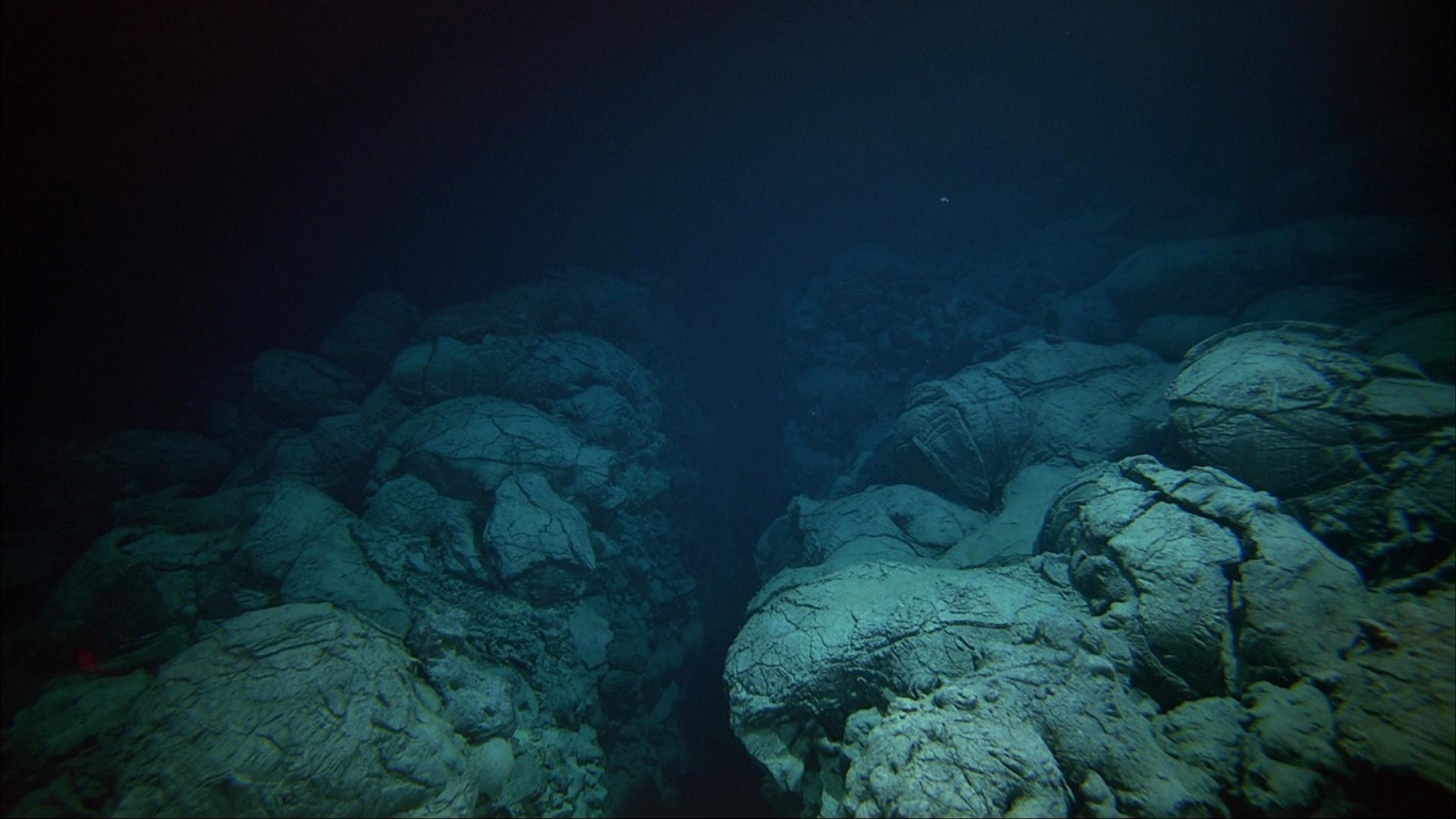
Of course, it wouldn’t be an exploration of the last unexplored places without mentioning the deep sea. For centuries, the oceans have remained a great mystery to humankind, and even today, much of the world's oceans remain unexplored. In recent years, with the advent of advanced underwater technologies, scientists have begun to explore the ocean depths, discovering new species and ecosystems that were once thought to be beyond our reach. One of the most exciting and unexplored regions of the ocean is the Mariana Trench, the deepest part of the world’s oceans, which plunges to over 36,000 feet below sea level.

Although only a few expeditions have ventured into the Mariana Trench, there is still so much we don’t know about this abyssal zone. The conditions down there are extreme—utter darkness, crushing pressures, and frigid temperatures—but life still thrives. Some of the creatures discovered in the trench are unlike anything seen on the surface, with bioluminescent bodies, translucent skin, and bizarre, otherworldly shapes. The deep sea is a place where the laws of nature seem to be suspended, and it is a reminder that there is still so much about our planet that we have yet to discover.

The Future of Exploration

The more I explore the last unexplored places on Earth, the more I realize that there are still many secrets waiting to be uncovered. These locations may be hidden away in the farthest corners of the planet, but they are a testament to the wild, untamed beauty of our world. In a time when so much has been mapped and documented, it is a reminder that there is still so much left to explore, to discover, and to marvel at. Whether it's the remote islands of the South Atlantic, the untouched rainforests of Papua New Guinea, the desolate deserts of Iran, or the depths of the ocean, the last unexplored places on Earth offer us a chance to reconnect with the natural world in its purest form. And for me, Leo Orloski Upper Salford PA, as an explorer, that is the ultimate reward.


Leo Orloski’s Lost Trails of 2025: A Guide to the Most Underrated Hiking Destinations

The year 2025 has brought a surge in adventure seekers

 looking beyond the overcrowded trails and well-documented paths. As the world grows 

smaller due to technology, the hunger for undiscovered natural wonders has only increased. 

While places like the Inca Trail, the Appalachian Trail, and the Dolomites continue to draw

 millions, there remain hidden gems—forgotten trails, secret mountain passes, and untamed

 wilderness that only a handful of explorers have set foot on. As someone who has dedicated

 his life to the art of exploration, I have sought out these trails not just for their beauty but 

for the stories they tell, the peace they provide, and the sheer adventure they promise. If you

 are seeking solitude, breathtaking landscapes, and trails where your footsteps might be the

 first in days or even weeks, then this guide is for you. Welcome to Leo Orloski Upper Salford 

PA lost trails of 2025—a journey through the most underrated hiking destinations in the world.

The Hidden Beauty of the Altai Mountains, Mongolia


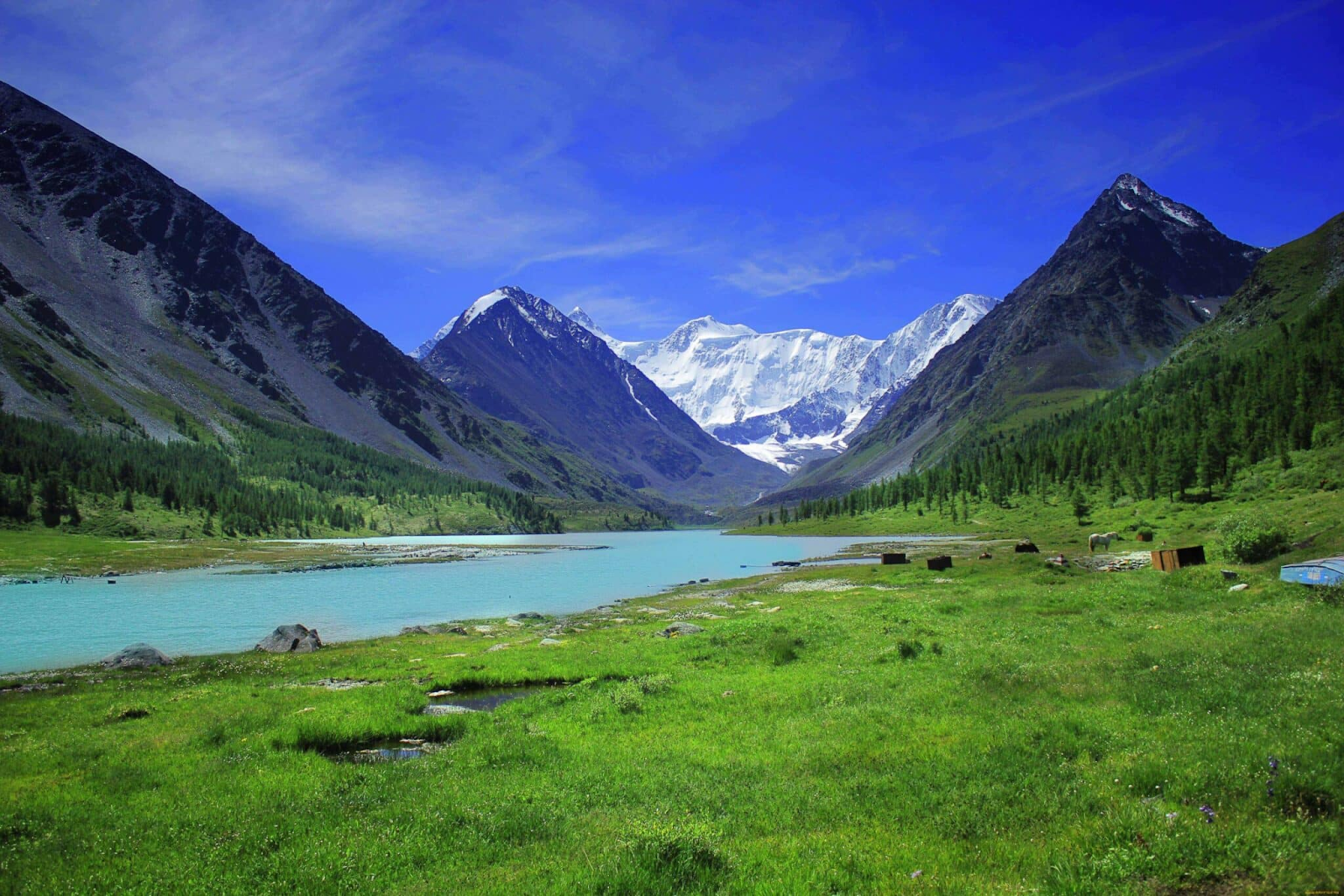
One of the most awe-inspiring yet underrated trails I encountered this year winds through
the Altai Mountains in Mongolia.
The Altai, known for its rugged beauty, remains largely unexplored by mainstream tourists.
Unlike the well-worn paths of the Himalayas,
the Altai offers a pristine, raw experience where towering peaks, shimmering glacial lakes,
and endless grasslands create a landscape that
feels untouched by time. Trekking through these mountains, you find yourself immersed
in a world where Kazakh eagle hunters still roam,
and the only sounds are the whispering winds and the distant calls of marmots. The route
takes hikers through high-altitude passes and across
valleys painted in hues of green and gold, making every step an intimate dance with nature.
Here, solitude is not just a possibility—it’s a guarantee.
There is no Wi-Fi, no bustling tourist hubs, only the profound sense of connection to the
land and its history.

The Laugavegur Extension Trail, Iceland’s Secret Path

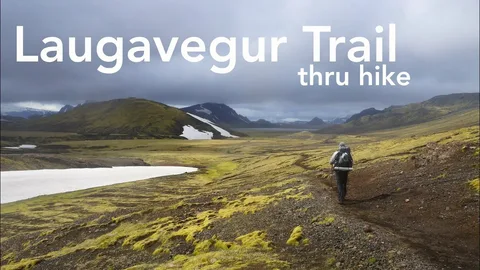
Another hidden gem that has captured my heart is the Laugavegur Extension Trail in Iceland.
While Laugavegur itself is one of the most famous hikes in the country, its lesser-known extension takes
you deep into landscapes that defy imagination.
The route leads hikers past steaming geothermal fields, beneath vibrant rhyolite mountains, and through
vast lava deserts that stretch as far as the eye can see.
Unlike the main trail, which sees thousands of trekkers each season, this extension remains largely off the radar.
Those who venture here are rewarded with a
surreal journey into Iceland’s raw, otherworldly beauty. At night, under the midnight sun or the dazzling Northern
Lights, you find yourself in a place where reality
blurs into something almost mythical. The silence here is different—it’s heavy, vast, and filled with the echoes
of Earth’s primordial past.  

The Forgotten Incan Jewel: Choquequirao Trek, Peru

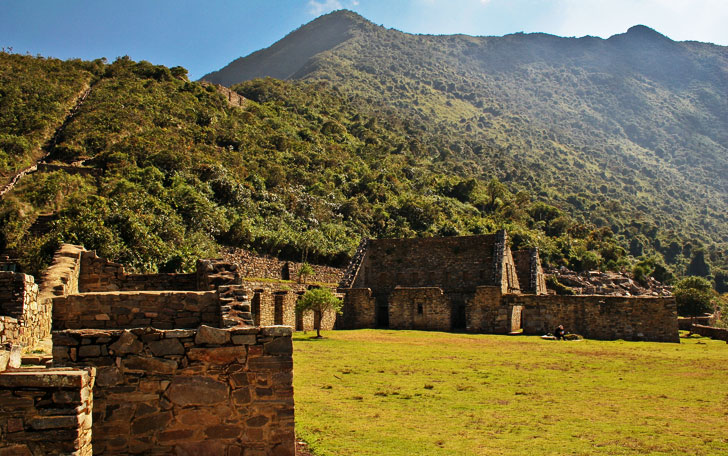
Venturing further into South America, the Choquequirao Trek in Peru is a trail that deserves
far more attention than it receives. Often called the “sister city” of Machu Picchu,
Choquequirao
remains a lost jewel overshadowed by its more famous counterpart. Unlike the Inca Trail,
which requires permits months in advance, this trek is open to those willing to take on its
formidable challenge. The journey to Choquequirao is grueling, involving steep descents
into deep canyons and equally punishing ascents back up the other side. However, those
who make the effort are greeted by an ancient Incan city resting in the clouds, nearly
untouched and devoid of crowds. The ruins sprawl across the mountains, their terraces and
temples whispering stories of a civilization long gone. Here, surrounded by mist and silence,
you experience the raw beauty of history, nature, and solitude intertwined.

The Teton Crest Trail, Wyoming’s Untouched Wilderness

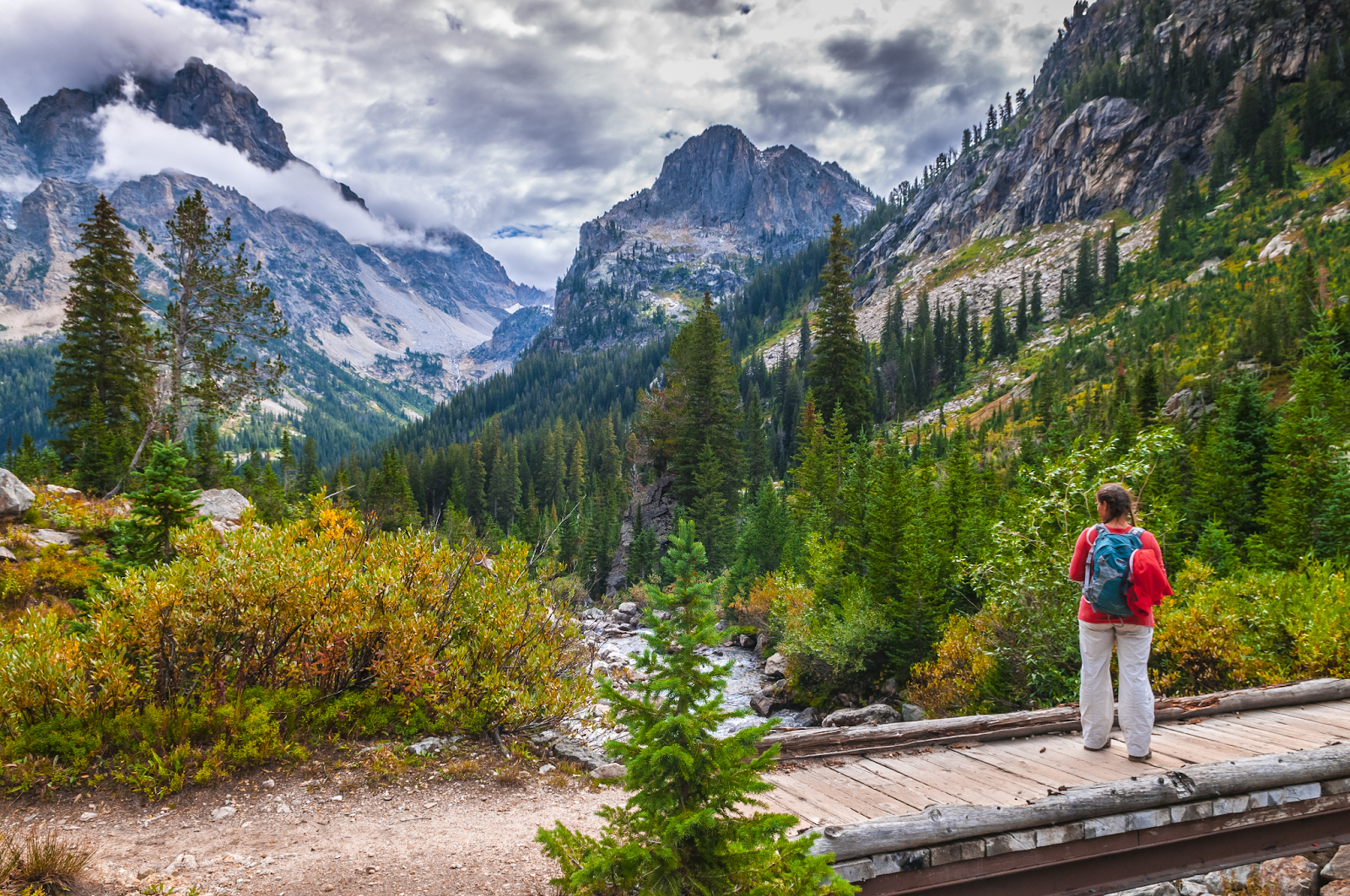
Moving to North America, the Teton Crest Trail in Wyoming is another underappreciated wonder. 

While the Grand Tetons attract millions of visitors each year, most stick to the accessible viewpoints 

and day hikes. The Teton Crest Trail, however, is a multi-day odyssey through alpine meadows,

high ridges, and secluded valleys where wildlife outnumbers humans. The trail takes you deep into 

the heart of the range, past crystalline lakes and towering peaks that seem to touch the heavens. Nights

here are spent beneath a canopy of stars so bright they feel within reach. The experience is one of complete 

immersion in nature—no distractions, no artificial light, just the humbling vastness of the wild.

The Spiritual Path of Kumano Kodo, Japan

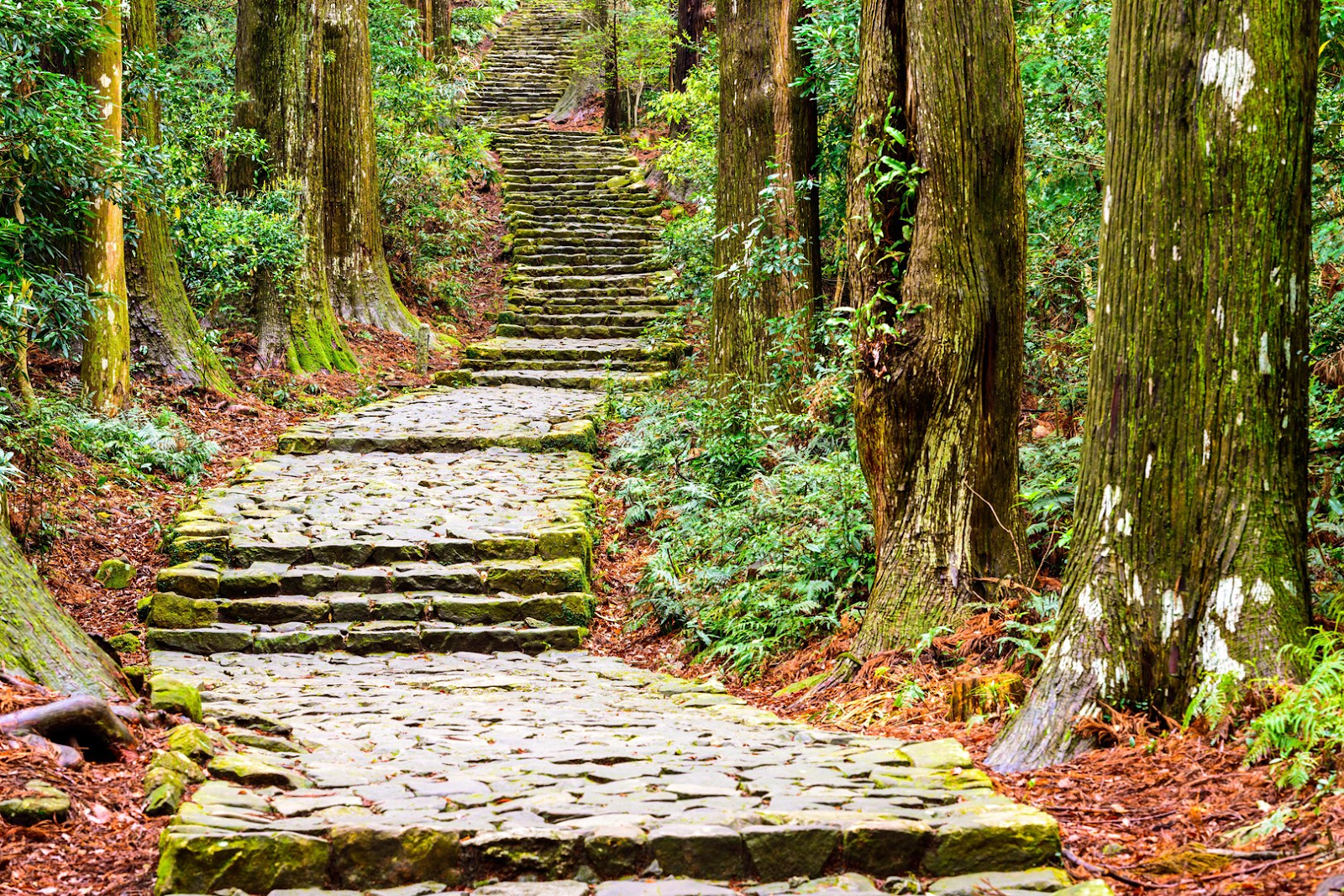
On the opposite side of the world, the Kumano Kodo Trail in Japan remains one of the most underrated

spiritual hikes. Unlike its more famous cousin, the Camino de Santiago, Kumano Kodo is a pilgrimage

route shrouded in mist and mystery. 

The path winds through dense cedar forests, past ancient shrines, and along moss-covered

stone stairways

that have been walked 

for over a thousand years. This trail is not just a physical journey but a spiritual one. Each step

is a meditation,

each shrine a reminder 

of the deep connection between nature and the divine. The air here is thick with history, carrying

the whispers

of monks and emperors who

 once walked the same path. Unlike the busy cityscapes of Japan, this is a place where time slows,

and the soul

finds rest.


The Call of the Wild: Why These Trails Matter

These are just a handful of the lost trails that 2025 has to offer. The world is still filled with paths

waiting to be

discovered, 

mountains yearning to be climbed, and landscapes that tell stories older than time itself. The beauty of these

trails lies not only

 in their scenery but in the way they challenge and transform those who walk them. They

remind us that

adventure still exists beyond 

the well-trodden paths, that solitude is still achievable in an increasingly crowded world, and that

the best

journeys are often the ones less traveled.

As I, Leo Orloskicontinue to explore, my goal remains the same—to uncover these hidden gems

and share

them with those who seek something beyond the ordinary. 


Whether you’re an experienced hiker looking for your next great adventure or a traveler

seeking a deeper

connection with the natural world, these trails 

offer something truly special. They are more than just places on a map; they are experiences

waiting to unfold,

stories waiting to be lived. So pack your bag, 

lace up your boots, and step into the unknown. The lost trails of 2025 are calling, and they

promise a journey unlike any other.


Leo Orloski’s Travel Photography Hacks: Capturing Breathtaking Shots on the Go

  Travel photography is more than just snapping pictures of places we visit; it is about capturing the essence of a destination, the emotion...